
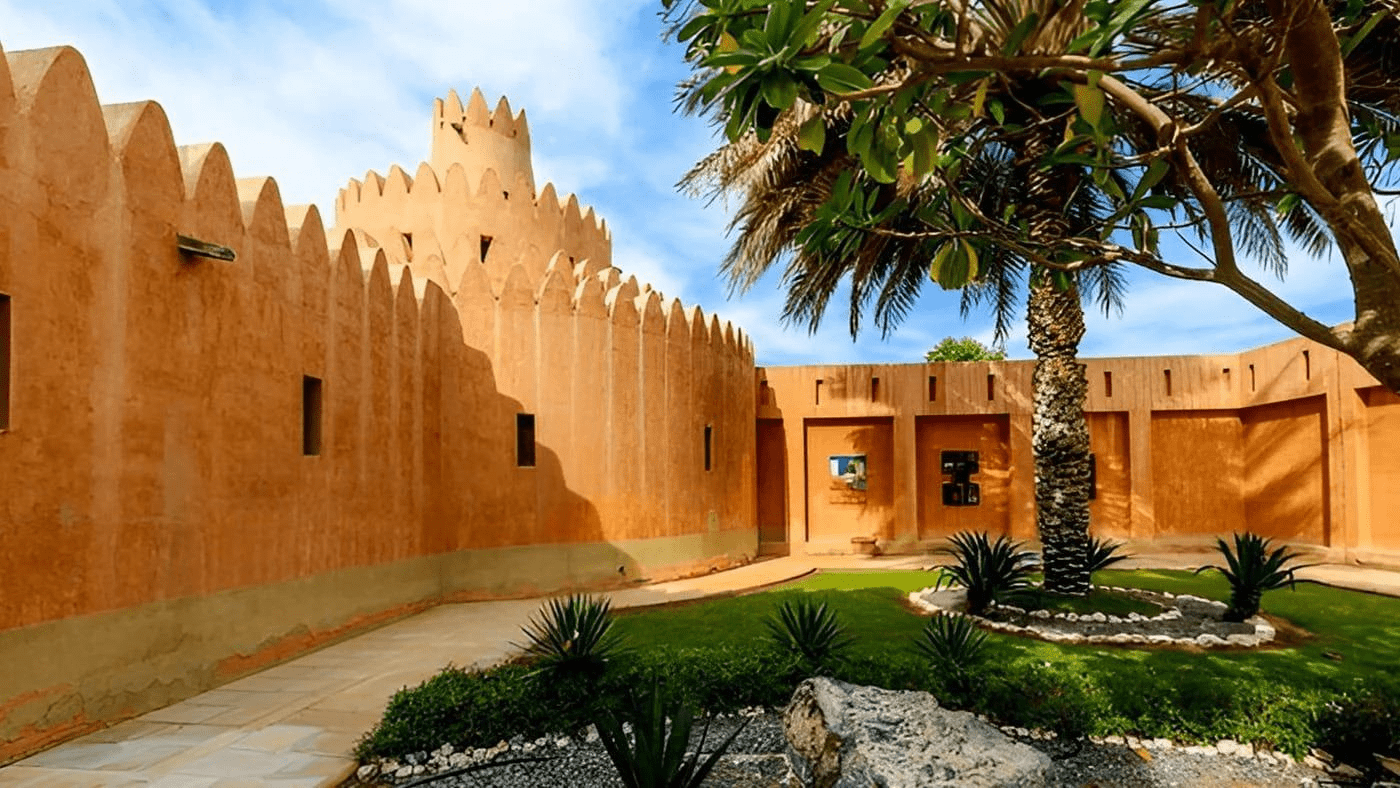
Most people land in Dubai with a mental checklist: Burj Khalifa, Dubai Mall, Palm Jumeirah, a desert safari.
And look — those places are popular for a reason. But if you spend your entire trip on that list, you leave having seen a version of Dubai that millions of other tourists have also photographed.
There is another Dubai. One where flamingos stand in shallow water six kilometres from the airport. Where a museum devoted entirely to coffee sits in a quiet alleyway in Al Fahidi. Where a man-made lake in the shape of two interlinked hearts draws more local couples than it does visitors from abroad. These are the hidden places in Dubai that residents know and most travellers miss completely.
15 Hidden Places in Dubai Most Travellers Miss
1. Al Qudra Lakes
What Makes It Special?
Al Qudra is a series of man-made lakes carved out of the desert about 40 kilometres south of central Dubai. The surrounding landscape is pure desert — sand dunes, desert scrub, the occasional fox if you arrive early enough. The lakes themselves attract over 170 bird species, including flamingos, swans, and eagles, which makes no intuitive sense until you are standing there at sunrise watching them move across the water.
It is one of those places that genuinely surprises you the first time. You drive through what feels like empty desert, and then suddenly there is water, and birds, and cyclists, and the distant skyline of Dubai behind you.
Best Time to Visit
October through March. Summer visits before 7am are possible but uncomfortable. Avoid midday in any month.
Location and Accessibility
Off Al Qudra Road (D63), approximately 35–40 minutes from Downtown Dubai. No public transport; you need a car. Parking is free.
2. Love Lake Dubai
What Makes It Special?
Technically within the Al Qudra area, Love Lake is a separate attraction worth its own entry. Two interconnected heart-shaped lakes, visible from above via drone photography (check drone regulations before flying), surrounded by flowering plants and low greenery that the municipality maintains carefully.
It sounds slightly kitsch in description. In person, particularly in the cooler months when the flowering plants are in full bloom, it is genuinely peaceful. Dubai locals come here in the evenings for walks and picnics in a way that tourists rarely do.
Best Time to Visit
November through February, ideally late afternoon for the light. The flowering plants are most vibrant from December to March.
Location and Accessibility
Adjacent to Al Qudra Lakes, also off Al Qudra Road. About 35 minutes from Downtown. Car required.
3. Ras Al Khor Wildlife Sanctuary
What Makes It Special?
This is the one that genuinely shocks people when you tell them where it is. Ras Al Khor is a wetland reserve — a protected mangrove and mudflat ecosystem — sitting right at the point where Dubai Creek meets the sea, surrounded by warehouses, the Creek Harbour development, and one of the busiest roads in the city. It was designated a Ramsar wetland site in 2007.
It is home to around 450 flamingos, along with herons, osprey, and dozens of other bird species. You watch them from three free bird hides on the perimeter. The contrast of flamingos standing in muddy water with luxury apartment towers rising directly behind them is one of the stranger and more memorable sights in Dubai.
Best Time to Visit
October to March. The flamingos are present year-round but the cooler months make the visit more comfortable and the light is better for photography. Arrive early morning or late afternoon.
Location and Accessibility
Off Oud Metha Road near the Ras Al Khor interchange, accessible by car. Some bus routes pass nearby. Entry is free.
4. Al Fahidi Historical Neighbourhood
What Makes It Special?
Al Fahidi (sometimes still called Bastakiya) is the oldest surviving residential district in Dubai. It dates to the late 1800s, when Persian merchants built courtyard houses with wind towers — the original air conditioning — to catch sea breezes off Dubai Creek.
Most of the city that existed before the 1970s development boom was demolished. Al Fahidi survived, and it now houses a dense collection of art galleries, cafés, museums, and quiet alleyways that feel genuinely disconnected from the glass towers five minutes away.
Best Time to Visit
October through April. Afternoon light from around 3–4pm hits the wind towers particularly well for photography.
Location and Accessibility
Near Bur Dubai, walkable from Al Fahidi Metro Station. One of the few hidden places in Dubai that is easily reachable without a car.
5. Moon Island
What Makes It Special?
Moon Island is a raw, crescent-shaped sandbar floating in the Arabian Gulf. It gives you a sense of untamed, empty horizons and clear turquoise waters that make it feel entirely disconnected from the metropolis. There are no fixed public facilities, cafés, or roads here — it is a true “bring-your-own-everything” escape tailored for private days out, snorkeling over sandy beds, deep-sea fishing, or beachside barbecues.
Best Time to Visit
October to April for mild, pleasant outdoor temperatures and smooth marine conditions.
Location and Accessibility
Located roughly 70 kilometres offshore. There is no road access; it is entirely reachable by sea. Boat tours and private yacht charters typically depart from Dubai Marina or Dubai Harbour, taking about 45 minutes to 1.5 hours depending on the vessel.
6. Hatta Secret Pools
What Makes It Special?
Hatta sits in the Hatta Mountains about 130 kilometres east of central Dubai — technically still within the Dubai emirate but feeling like an entirely different country. The rock pools here are carved into the mountain wadis by centuries of water flow: clear, natural, surrounded by red rock walls, and genuinely remote-feeling even though you drive most of the way there.
This is not a polished attraction. There is no entrance fee, no ticketing, no tour group bus. You park where the road ends and walk into the wadi.
Best Time to Visit
October to April. Summer hiking in the wadis in mid-day heat is dangerous. Morning visits in winter are ideal.
Location and Accessibility
About 1.5 hours from Dubai by car via the E44. No public transport to the pools themselves. A 4×4 is not required for the main approach road.
7. Jumeirah Fishing Harbour
What Makes It Special?
Between the luxury beach clubs of Jumeirah and the commercial bustle of the city, there is a working fishing harbour that most tourists drive past without stopping. Local fishermen bring in their catch early morning, mend nets, and launch their boats in a scene that has changed relatively little despite everything that has been built around it.
For a city that can sometimes feel entirely constructed for consumption, the Jumeirah Fishing Harbour feels refreshingly functional.
Best Time to Visit
Early morning, ideally before 8am, any time of year.
Location and Accessibility
On Jumeirah Beach Road near the Burj Al Arab. Accessible by car and, from some directions, by public bus.
8. Coffee Museum
What Makes It Special?
Hidden within the alleyways of Al Fahidi, the Coffee Museum is one of those places that has no business being as interesting as it is. It traces the history of coffee from Ethiopia through the Arab world and into the global trade routes, housed in a traditional wind-tower building with several rooms of artefacts, roasting equipment, and historic grinding tools.
The café attached to it serves coffee prepared in traditional methods — Ethiopian, Turkish, Arabic — that you are unlikely to find anywhere else in the city.
Best Time to Visit
Any time the museum is open: Saturday to Thursday, 9am to 5pm. Friday it closes.
Location and Accessibility
Al Fahidi Historical Neighbourhood, walkable from Al Fahidi Metro Station. Free entry.
9. Black Palace Beach (Al Sufouh Beach)
What Makes It Special?
Most of Dubai’s public beaches are managed, staffed, and equipped with changing rooms and food trucks. Black Palace Beach is none of those things. It sits along a quiet stretch of Jumeirah coastline near an old royal palace (hence the name), with clean water, almost no facilities, and a fraction of the crowds of its more famous neighbours.
It is the kind of beach that people who live near it go to when they want to swim without negotiating a car park and a beach club queue.
Best Time to Visit
October to April. Morning visits for calm water; evenings for the sunset.
Location and Accessibility
Jumeirah Beach Road, near Umm Suqeim. Car required; limited parking on the roadside.
10. XVA Art Gallery
What Makes It Special?
XVA is a contemporary art gallery operating inside a restored wind-tower house in Al Fahidi, with a rooftop café and a small boutique hotel attached. The gallery has been running since 2003, which in Dubai terms makes it ancient.
It focuses on regional contemporary art — Emirati, Arab, and South Asian — and the quality of what it shows is consistently higher than you might expect from a free-entry gallery with no corporate sponsorship.
Best Time to Visit
Saturday to Thursday, 10am to 6pm. The rooftop café is particularly good on winter mornings.
11. Alserkal Avenue
What Makes It Special?
Alserkal Avenue is a former industrial warehouse complex in Al Quoz that was converted into Dubai’s main contemporary arts district around 2008. It houses over 50 galleries, creative studios, a cinema, and several independent cafés and restaurants.
It is where Dubai’s arts community actually gathers, which makes it feel more like a neighbourhood and less like an attraction. On a good evening — particularly during Dubai Art Week in March — it is one of the most energetic places in the city.
Best Time to Visit
October through April for general visiting. March during Dubai Art Week for the full experience.
Location and Accessibility
Al Quoz, about 15 minutes from Downtown by car. Parking within the complex. Not easily accessible by public transport.
12. Quranic Park
What Makes It Special?
Opened in 2019 in Al Khawaneej, the Quranic Park takes plants, trees, and natural elements mentioned in the Quran and builds an entire parkland around them. There is a cave of miracles, a glass house containing plants from Quranic verses, and walking paths designed to be educational without feeling like a classroom.
It is a genuinely unusual concept and, as a result, almost entirely absent from tourist itineraries. The park is well-maintained, large, and free to enter.
Best Time to Visit
October through April, late afternoon.
Location and Accessibility
Al Khawaneej, about 25 minutes from Downtown by car. Free entry.
13. Al Seef Hidden Corners
What Makes It Special?
Al Seef is a waterfront development along Dubai Creek that gets occasional tourist traffic, but most visitors walk the main promenade and miss the interior lanes. The development recreates traditional Dubai architecture in a way that is admittedly somewhat staged, but the creek views from the quieter back sections are genuine, and the old dhow mooring area at the northern end feels less constructed than the rest.
What makes Al Seef worth visiting is less about any single attraction and more about the atmosphere of the creek waterfront itself — particularly in the early evening when the light on the water is good and the old dhows are moored along the bank.
Best Time to Visit
October to April, late afternoon through evening.
Location and Accessibility
Near Al Fahidi, walkable from Al Fahidi or Al Ghubaiba Metro stations.
14. Dubai Desert Conservation Reserve
What Makes It Special?
Most Dubai desert experiences involve a 4×4, a sunset, and a barbecue buffet. The Dubai Desert Conservation Reserve is different. It is the UAE’s first national park — 225 square kilometres of protected desert containing populations of Arabian oryx, sand gazelle, and the critically endangered Arabian sand gazelle.
You cannot enter independently; visits are only possible through approved operators. But the experience of seeing oryx in a genuinely wild desert — not in a zoo enclosure and not alongside a dune-bashing convoy — is worth the organisation required.
Best Time to Visit
October through March. Dawn drives are the most rewarding for wildlife.
Location and Accessibility
About an hour from central Dubai near Lahbab. Access is through approved operators only — Al Maha Desert Resort and Bab Al Shams are the two primary access points.
15. Last Exit Al Khawaneej
What Makes It Special?
Last Exit is a chain of food truck parks in Dubai, and the Al Khawaneej location is the best of them. It sits on the edge of the city where the desert starts, with food trucks arranged around outdoor seating areas, string lights overhead, and, on cool evenings, a genuinely atmospheric quality that you would not expect from a venue based around Airstreams and converted containers.
It has become a local favourite precisely because it does not feel like something built for tourists. Families, young professionals, and residents from across the city come here on Thursday and Friday evenings.
Best Time to Visit
Thursday and Friday evenings from October to April. The atmosphere on a cool night with most of the seating full is the best version of this place.
Location and Accessibility
Al Khawaneej Road, about 25 minutes from Downtown. Car required. Adjacent to Quranic Park.
Final Thoughts
Dubai does not lack for things to do. The challenge is doing different things.
Every location on this list is accessible, mostly free, and genuinely worth the effort. None of them require a guide, a tour package, or specialist equipment. They require a hire car for some, an early wake-up call for others, and a willingness to drive past the obvious choice.
The hidden places in Dubai in this guide will not give you the same story as everybody else’s Dubai trip. Which is, for most people who have been thinking about this city for longer than a week, exactly the point.
Plan your route, pack water, and go early.
Frequently Asked Questions (FAQs)
What are the best hidden places in Dubai for first-time visitors?
Answer: Al Fahidi Historical Neighbourhood and Ras Al Khor Wildlife Sanctuary are the two that work for almost everyone. Ras Al Khor requires a car but costs nothing and can be combined with a creek-side evening in Al Seef.
Are most hidden places in Dubai free to visit?
Answer: Most of them are. The Coffee Museum has a small entry fee. Hatta costs nothing except the petrol to get there.
Which hidden place in Dubai is best for photography?
Answer: Ras Al Khor for wildlife photography, particularly flamingos at dawn. Al Fahidi for architectural and cultural photography.
Are these locations suitable for families with children?
Answer: Most of them are well-suited for families. Quranic Park, Love Lake, Al Qudra Lakes, Ras Al Khor, and Last Exit Al Khawaneej are all popular with local families. Hatta involves a longer drive and more physical activity, which suits older children better than young ones.
Do I need a car to explore hidden places in Dubai?
Answer: For about half the list, yes.
How many days do you need to explore the hidden places in Dubai properly?
Answer: Four to five days gives you time to do the list properly without rushing.
