
Table of Contents
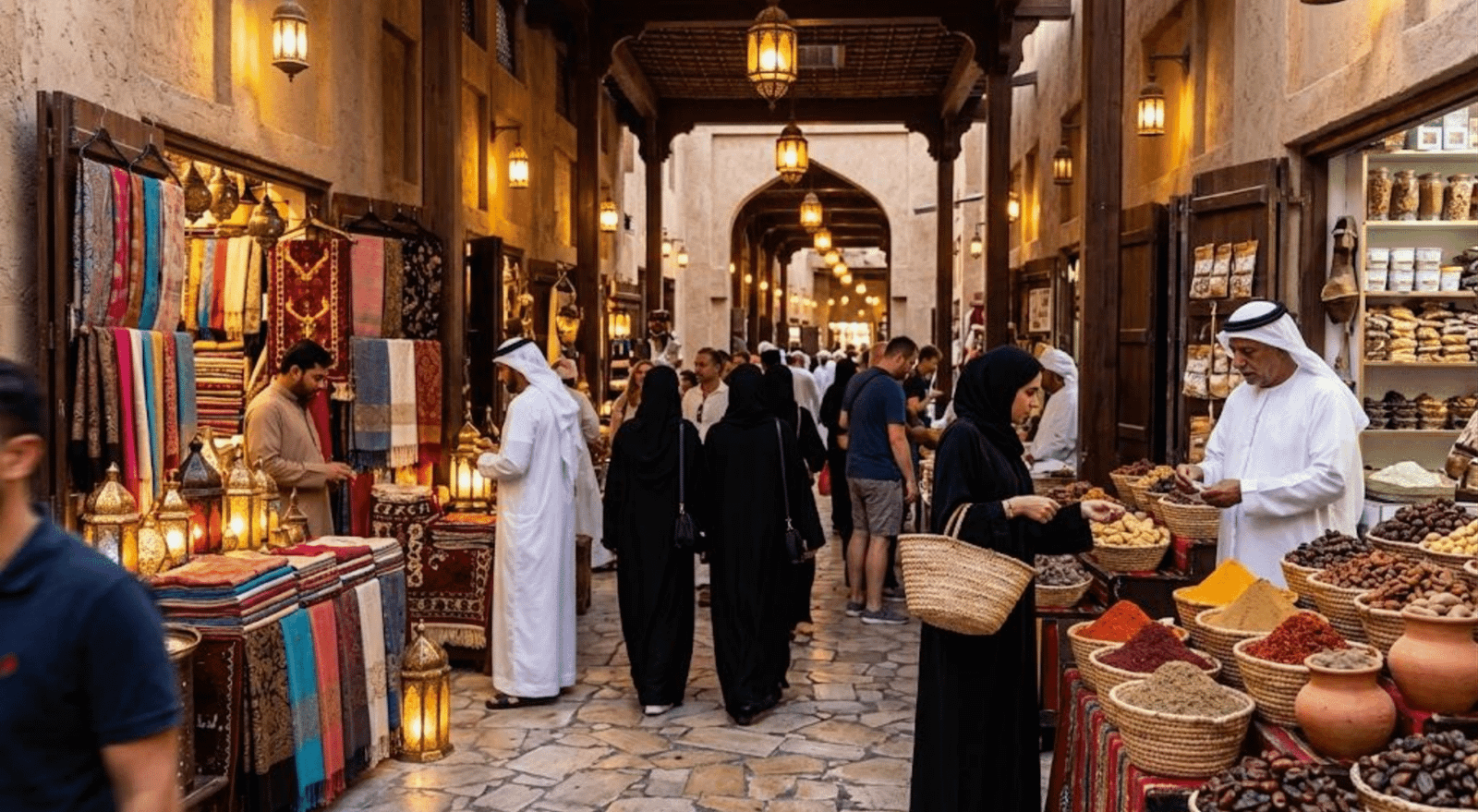
ToggleIf you want to experience the UAE beyond luxury malls and international brands, local markets in UAE offer a completely different side of the country. Traditional souks, seafood markets, spice markets, textile shops and neighbourhood shopping areas connect visitors with the UAE's trading history, food culture and everyday shopping traditions.
From the famous Gold Souk and Spice Souk in Dubai to Mina Market in Abu Dhabi, Souq Al Jubail in Sharjah and the Kuwaiti Souq in Ras Al Khaimah, each market has its own character.
The UAE Government's official tourism and shopping information confirms that traditional markets and souks remain an important part of the country's shopping experience, offering products such as gold, carpets, spices, dry fruits, perfumes, handicrafts and clothing. U.AE
So, where should you go first?
Let's explore the best local markets in UAE, what to buy, how to bargain respectfully and how to make your market visit more enjoyable.
Also Read: A Local’s Guide to Dubai’s Hidden Gems in 2025
What Are Local Markets in the UAE?
Local markets in the UAE include traditional souks, fresh-produce markets, fish markets, textile markets, spice markets and neighbourhood shopping areas.
Unlike large shopping malls, these markets are often built around individual traders and specialised shops. Some have been part of historic commercial districts for generations, while others have been designed to preserve the atmosphere and architecture of traditional marketplaces.
The word souq generally refers to a traditional marketplace. In the UAE, souks have historically been connected with trade in products such as spices, textiles, pearls, perfumes, gold and food.
Today, these markets serve both residents and visitors. Some are strongly connected to everyday shopping, while others have become important cultural and tourism destinations.
Why Visit Local Markets in UAE?
There are several reasons to include a traditional market in your UAE itinerary.
Experience traditional shopping
Markets allow you to see a more personal style of shopping where customers interact directly with sellers.
Discover local products
You can find spices, dates, perfumes, fabrics, handicrafts, jewellery, food products and souvenirs.
Explore UAE heritage
Historic markets provide an opportunity to understand how commerce developed before today's large shopping centres.
Find speciality products
Some markets focus heavily on particular products. For example, Dubai's Gold Souk is known for jewellery, while the Spice Souk focuses on spices, herbs, teas, nuts and related products. Visit Dubai
Enjoy a more atmospheric experience
Traditional markets are often colourful, aromatic and lively, making the visit part shopping trip and part cultural experience.
Best Local Markets in UAE
The UAE has local markets across different emirates. Here are some of the most interesting places to add to your itinerary.
Dubai Gold Souk
The Dubai Gold Souk is one of the country's best-known traditional markets.
Located in Deira, the market is famous for gold jewellery and gemstones. Visitors can walk through rows of jewellery shops displaying different designs and styles.
Visit Dubai describes the Gold Souk as one of Dubai's oldest and most fascinating traditional markets. The area includes jewellery designs in different carats and styles, making it popular with both shoppers and visitors who simply want to experience the atmosphere. Visit Dubai
If you are purchasing gold, remember that the final price can depend on factors such as gold weight, purity, craftsmanship and the current gold rate.
Best for: Gold jewellery, gemstones and traditional shopping atmosphere.
Dubai Spice Souk
For a completely different sensory experience, head to the Dubai Spice Souk in Deira.
The market is filled with herbs, spices, teas, dried fruits, nuts, oils and saffron. Visit Dubai notes that the souk has more than 150 small retailers and reflects Dubai's historic trading connections. Visit Dubai
You can ask sellers about different spices and how they are used. This makes the market particularly interesting for travellers who enjoy cooking or discovering regional flavours.
The official Dubai tourism guide also notes that spices are sold by weight and in packets, while buying larger quantities can sometimes offer better value. Visit Dubai
Best for: Spices, saffron, teas, dates, dried fruits and culinary souvenirs.
Dubai Textile Souk
If fabrics and traditional clothing interest you, the Textile Souk in Bur Dubai is worth exploring.
This market area is associated with colourful fabrics, textiles and traditional garments. Visit Dubai highlights the Textile Souk as a place to find distinctive fabrics and embellishments. Visit Dubai
It can be a good stop if you are looking for material for clothing, scarves or traditional-inspired souvenirs.
Best for: Fabrics, textiles, scarves and traditional clothing materials.
Naif Souk
Naif Souk offers a different style of traditional shopping in Dubai.
Visit Dubai describes the area as a lively market where visitors can find souvenirs, leather goods, traditional garments and other bargains. The area is particularly associated with products such as abayas and services including henna. Visit Dubai
It is an interesting choice for travellers who want to explore beyond the better-known Gold and Spice Souks.
Best for: Traditional clothing, souvenirs, leather products and local-style shopping.
Mina Market and Mina Fruit & Vegetable Souk, Abu Dhabi
Abu Dhabi also has markets where the shopping experience is closely connected to the city's coastal and food heritage.
Mina Market is associated with fresh seafood and other produce. Experience Abu Dhabi explains that the market's food culture reflects Abu Dhabi's coastal trading history. Nearby, the Mina Fruit and Vegetable Souk offers fresh produce. Experience Abu Dhabi
For food lovers, this can be a particularly interesting destination because the experience is less about luxury retail and more about fresh ingredients and everyday food culture.
What can you find?
- Fresh seafood
- Fruits and vegetables
- Food ingredients
- Dates and other produce
- Traditional market products
Best for: Fresh food, seafood and experiencing Abu Dhabi's market culture.
Central Souk, Sharjah
Sharjah's Central Souk, often called the Blue Souk, is one of the emirate's most recognisable shopping landmarks.
The official Sharjah tourism authority describes the market as having more than 600 shops across two levels. Visitors can find jewellery, watches, clothing, handicrafts, textiles, carpets and regional products. Visit Sharjah
The architecture itself is part of the experience. Its distinctive blue exterior makes it one of Sharjah's most photographed buildings.
Best things to look for
- Handmade products
- Carpets and kilims
- Jewellery
- Gold
- Traditional textiles
- Souvenirs
- Regional crafts
Best for: Heritage architecture, handicrafts, jewellery and carpets.
Souq Al Jubail, Sharjah
If you prefer fresh food markets, Souq Al Jubail is one of Sharjah's strongest options.
Located near Sharjah Creek and the Corniche, the market combines a fish market with sections for fruits, vegetables, meat and other food products. Visit Sharjah
The market is particularly connected to Sharjah's fishing heritage. According to the Sharjah tourism authority, fish arrive from nearby boats, reinforcing the connection between the market and the emirate's coastal economy. Visit Sharjah
The market can be especially interesting early in the day when fresh seafood activity is underway.
Best for: Fish, seafood, fresh produce and local food-market experiences.
Souk Al Arsah, Sharjah
For visitors interested in heritage rather than modern retail, Souk Al Arsah offers a different experience.
The Sharjah tourism authority highlights the market's traditional atmosphere, including coral-brick walls, old lanterns and shops selling handicrafts, jewellery, oud perfume, coffee pots, frankincense, herbs and sweets. Visit Sharjah
This is the type of market where the surroundings are almost as important as the products.
Best for: Heritage, handicrafts, perfumes, herbs and traditional souvenirs.
Kuwaiti Souq, Ras Al Khaimah
Ras Al Khaimah offers a more relaxed market experience compared with the high-profile shopping districts of Dubai.
The Kuwaiti Souq is known for its traditional atmosphere and variety of products. Visit Ras Al Khaimah describes items including spices, fabrics, carpets, apparel, souvenirs, household goods and accessories. Visit Ras Al Khaimah
The market is also known for bargaining, making it an interesting place for visitors who want to experience a more traditional shopping style.
Best for: Spices, fabrics, souvenirs, household goods and traditional market browsing.
Al Mairid Souq, Ras Al Khaimah
Al Mairid Souq is another traditional market destination in Ras Al Khaimah.
Official destination information lists Al Mairid Souq among the emirate's traditional markets, alongside the Kuwaiti Souqs. These markets offer products including spices, fabrics, carpets, apparel, electronics and travel accessories. Visit Ras Al Khaimah
For travellers staying in Ras Al Khaimah, visiting a local souq can add a cultural dimension to a beach or mountain itinerary.
Best for: Traditional shopping, fabrics, spices, carpets and local finds.
Souk Sharq, Khorfakkan
For an especially heritage-focused experience, explore Souk Sharq in Khorfakkan.
The Sharjah tourism authority explains that the old market has been restored in the style of the original marketplace. It presents traditional crafts and professions including jewellery making, tailoring, baking, carpentry, pearl trading, traditional medicine, blacksmithing and date-molasses processing. Visit Sharjah
That makes Souk Sharq more than a shopping stop. It is also a way to understand traditional occupations and local heritage.
Best for: Heritage crafts, handmade souvenirs, traditional professions and cultural experiences.
What Can You Buy in UAE Local Markets?
One of the biggest advantages of visiting local markets is the variety.
| Market product | Where to look | Why it is popular |
|---|---|---|
| Gold jewellery | Dubai Gold Souk | Jewellery and gemstones |
| Spices | Dubai Spice Souk | Saffron, herbs, spices and teas |
| Textiles | Dubai Textile Souk | Fabrics and traditional materials |
| Fresh seafood | Mina Market, Souq Al Jubail | Fresh fish and coastal produce |
| Fruits and vegetables | Mina Souk, Souq Al Jubail | Fresh everyday produce |
| Carpets | Central Souk, Sharjah | Traditional and regional designs |
| Perfumes and oud | Dubai and Sharjah souks | Arabian fragrance culture |
| Handicrafts | Sharjah souks | Cultural souvenirs |
| Traditional clothing | Naif Souk and other markets | Abayas and traditional garments |
| Spices and fabrics | RAK souks | Traditional local shopping |
The UAE Government also identifies gold, carpets, spices, dry fruits, perfumes, handicrafts, clothing and accessories among the products commonly found through the country's shopping destinations. U.AE
Local Markets vs Shopping Malls in the UAE
Both have their place, but the experience is very different.
| Feature | Local Markets | Shopping Malls |
|---|---|---|
| Atmosphere | Traditional and lively | Modern and comfortable |
| Products | Local and specialised | International and local brands |
| Shopping style | Direct seller interaction | Fixed retail environment |
| Bargaining | Sometimes possible | Usually not |
| Cultural experience | High | Varies |
| Food shopping | Often excellent | Mostly supermarkets or restaurants |
| Souvenirs | Strong choice | Available but often more commercial |
| Architecture | Heritage or traditional | Contemporary |
If your goal is international brands, air conditioning and entertainment, malls may be more convenient. If your goal is culture, local products and traditional shopping, markets offer something a mall cannot easily reproduce.
How to Shop in UAE Local Markets
A little preparation can make your market visit much better.
1. Compare prices
If you see similar products in several shops, compare prices before buying.
2. Ask questions
Market sellers often know their products well. Ask about origin, material, quality and how something is made.
3. Bargain respectfully
Bargaining can be part of the traditional market experience, particularly for certain products. Visit Dubai specifically recommends learning the local approach to bargaining when shopping in traditional souks. Visit Dubai
However, bargaining should remain polite rather than aggressive.
4. Carry a payment option that works for you
Cash can still be useful in traditional market environments, although payment methods vary between businesses.
5. Check expensive purchases carefully
For gold, jewellery, carpets and other valuable products, understand exactly what you are buying and request appropriate documentation where relevant.
6. Take your time
Do not feel pressured to purchase the first item you see.
Best Time to Visit Local Markets
The ideal time depends on the type of market.
For outdoor and traditional souks, late afternoon and evening can be comfortable and lively, particularly during warmer periods. Visit Dubai recommends late afternoon for experiencing the activity around Dubai's traditional souks. Visit Dubai
For fresh seafood and produce markets, an early morning visit may provide a completely different experience because fresh goods and market activity are often at their most active.
During Ramadan and other seasonal periods, market schedules can change. The UAE Government advises checking current local information for seasonal night markets and shopping events. U.AE
Local Market Etiquette in the UAE
When visiting traditional markets, remember that these are not simply tourist attractions. Many are working markets used by local residents.
A few simple habits make the experience more respectful:
- Dress appropriately for the location.
- Ask before photographing people.
- Be polite when negotiating.
- Do not block busy walkways.
- Respect religious and cultural practices.
- Follow market rules.
- Check current opening hours before travelling.
- Be careful when handling products.
- Keep valuable belongings secure in crowded areas.
The best market experience is one where you explore without treating local communities and traders as part of a staged attraction.
Why Local Markets Matter to UAE Culture
Markets tell an important story about the UAE.
Long before today's skyscrapers and mega malls, trade was central to life across the Gulf. Coastal communities traded seafood and other goods, while merchants exchanged spices, textiles, pearls and other products across regional trade routes.
That history can still be felt in places such as Dubai Creek and Deira. Visit Dubai notes that merchants from neighbouring countries historically came to Dubai's markets, while gold, perfumes and textiles continue to be sold in Deira's traditional markets today. Visit Dubai
Sharjah's traditional souks similarly connect shopping with architecture, crafts and heritage. Ras Al Khaimah's traditional markets provide another perspective on local commercial life.
This is why visiting a market can be more meaningful than simply looking for the cheapest product. You are also experiencing a piece of the UAE's commercial and cultural history.
Suggested Local Market Itineraries
Dubai Market Day
A simple Dubai market route could include:
Morning: Dubai Creek and Deira
Late morning: Gold Souk
Afternoon: Spice Souk
Late afternoon: Textile Souk
Evening: Naif Souk and nearby Old Dubai areas
This combines shopping with heritage sightseeing.
Abu Dhabi Food Market Experience
Morning: Mina Market
Late morning: Mina Fruit and Vegetable Souk
Afternoon: Explore nearby waterfront areas
Evening: Enjoy Emirati or regional food
This itinerary works particularly well for visitors interested in food and local ingredients.
Sharjah Heritage Market Day
Morning: Souq Al Jubail
Afternoon: Central Souk
Late afternoon: Souk Al Arsah and nearby heritage attractions
Sharjah is especially useful for combining traditional shopping with cultural attractions.
Ras Al Khaimah Local Shopping
Morning: Explore Old Ras Al Khaimah
Afternoon: Al Mairid Souq
Late afternoon: Kuwaiti Souq
Evening: Continue toward the Corniche or another local dining destination
Final Thoughts
The local markets in UAE reveal a side of the country that can be easy to miss when travelling only between skyscrapers, luxury hotels and shopping malls.
Dubai's Gold and Spice Souks showcase the city's historic trading identity. Abu Dhabi's Mina Market connects food shopping with its coastal heritage. Sharjah combines traditional architecture, crafts and fresh markets, while Ras Al Khaimah offers a more relaxed traditional souq experience. Khorfakkan adds another layer through its restored heritage market and traditional crafts.
The UAE Government recognises traditional markets and souks as an important part of the country's shopping landscape, while individual emirates continue to preserve and promote distinctive market experiences. U.AE
So, whether you are searching for spices, fresh seafood, fabrics, gold, perfumes, handicrafts or simply an authentic cultural experience, UAE local markets are worth adding to your travel plans.
Frequently Asked Questions (FAQ's)
Some of the best -k nown options include Dubai Gold Souk, Dubai Spice Souk, Dubai Textile Souk, Naif Souk, Mina Market in Abu Dhabi, Central Souk and Souq Al Jubail in Sharjah, and Kuwaiti Souq and Al Mairid Souq in Ras Al Khaimah. U.AE
The Dubai Spice Souk is one of the most famous choices. It offers spices, herbs, teas, saffron, nuts, dried fruits and other ingredients. Visit Dubai
Dubai Gold Souk in Deira is one of the UAE’s best -k nown traditional gold markets and is widely recognised for its jewellery shops and gemstone offerings. Visit Dubai
Souq Al Jubail in Sharjah and Mina Market in Abu Dhabi are strong choices for seafood and fresh food shopping. Visit Sharjah
Bargaining may be possible in some traditional markets, particularly for certain products. However, it depends on the seller and product. It is best to negotiate politely rather than assume every price is negotiable. Visit Dubai
Neither is universally better. Malls are generally more convenient for international brands and modern facilities, while local markets are better suited to traditional products, cultural experiences, fresh food and direct interaction with sellers.
Popular choices include spices, dates, perfumes, oud products, textiles, handicrafts, traditional clothing, jewellery and selected food products. For valuable purchases, compare prices and understand the product before paying.
Late afternoon and evening can be pleasant for many traditional souks, while early morning can be particularly interesting for fresh seafood and produce markets. Always check current opening times before visiting.
