
Table of Contents
ToggleImagine a neighbourhood filled with laughter, colourful traditional clothing, decorated bags, and the cheerful voices of children singing from one doorstep to another. Families prepare sweets, neighbours welcome young visitors, and generations come together to celebrate a tradition that has been passed down for years. This is Hag Al Laila, one of the most cherished cultural celebrations in the United Arab Emirates.
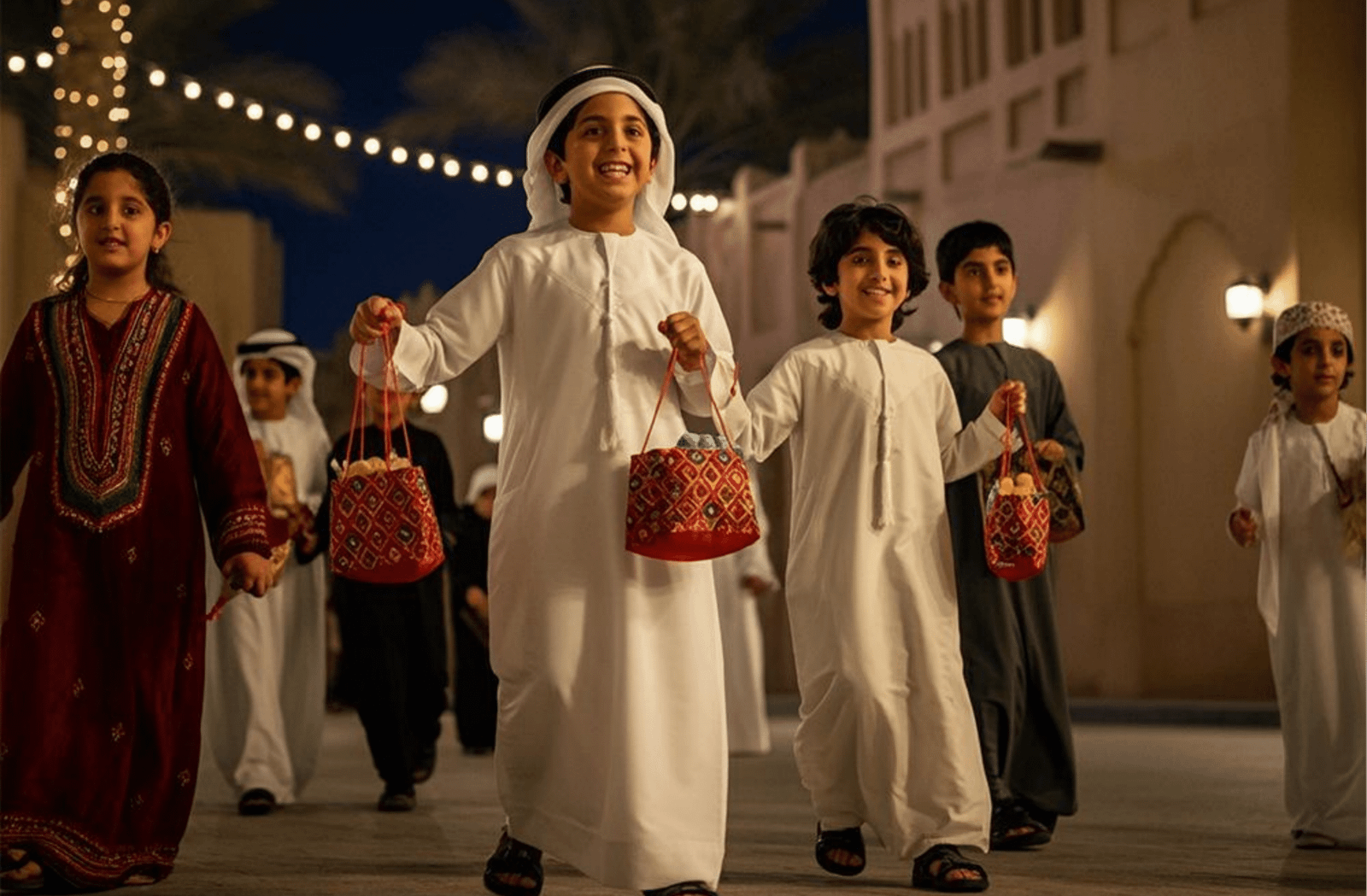
Celebrated on the middle night of Sha'ban, the Islamic month before Ramadan, Hag Al Laila is a traditional Emirati occasion centred on generosity, family connections, community spirit, and the excitement of the approaching Holy Month. Children traditionally dress in festive clothing, carry colourful bags, and visit neighbours to receive sweets and other treats.
Although the celebration is often associated with sweets and children's songs, its meaning goes much deeper. It reflects the importance of sharing, hospitality, and keeping cultural traditions alive across generations.
In recent years, Hag Al Laila has also been celebrated through community gatherings, heritage activities, and organised cultural events. In 2026, Abu Dhabi and Dubai held activities that brought families together and introduced younger generations to Emirati customs.
Whether you are an Emirati resident, a visitor interested in local traditions, or someone exploring the cultural side of the UAE, this guide explains the history, meaning, customs, food, clothing, and modern celebrations of Hag Al Laila.
Quick Facts About Hag Al Laila
| Feature | Details |
|---|---|
| Celebration | Hag Al Laila / Haq Al Laila |
| Cultural origin | Emirati heritage |
| When | Mid-Sha'ban in the Islamic calendar |
| Connection | Anticipation of Ramadan |
| Main participants | Children, families, and communities |
| Traditional activities | Songs, neighbourhood visits, sweets, and family gatherings |
| Traditional clothing | Emirati attire and colourful festive outfits |
| Main values | Generosity, sharing, family, and community |
| Where celebrated | Across the UAE, with local customs and events |
| Modern celebrations | Heritage activities, community events, traditional games, and cultural programmes |
What Is Hag Al Laila?
Hag Al Laila is a traditional Emirati celebration held on the middle night of Sha'ban, ahead of Ramadan.
It is especially associated with children, who traditionally visit neighbours while singing special songs and carrying bags to collect sweets, nuts, and other small gifts.
The celebration brings together families and neighbours, creating an atmosphere of happiness and generosity. It is also an opportunity for older generations to share customs and memories with children.
The UAE's official cultural information describes Hag Al Laila as a cherished occasion connected to local heritage and community relationships.
Why is it called Hag Al Laila?
The celebration is known by several spellings, including Hag Al Laila, Haq Al Laila, and Haq Al Layla.
These names refer to the same traditional occasion, although spelling and pronunciation may vary.
The words are commonly associated with the idea of a special night and the treats or gifts children receive during the celebration.
When does Hag Al Laila take place?
Hag Al Laila is traditionally celebrated on the 15th night of Sha'ban, the eighth month of the Islamic calendar.
Because the Islamic calendar follows lunar months, the Gregorian date changes each year. The exact date may depend on the official calendar and local religious announcements.
It takes place before Ramadan, giving families an opportunity to enjoy a cultural tradition while preparing for the coming Holy Month.
The History and Cultural Meaning of Hag Al Laila
Hag Al Laila is part of the UAE's inherited cultural traditions, reflecting the close relationships that historically connected families and neighbourhoods.
Before modern entertainment and large organised festivals became common, community occasions were often built around shared visits, songs, food, and family gatherings.
Hag Al Laila gave children a special role in bringing neighbours together. Their visits created opportunities for people to exchange greetings, share treats, and strengthen relationships within the neighbourhood.
A tradition passed from one generation to another
Older generations have helped keep the celebration alive by teaching children its songs, customs, and meaning.
Grandparents and parents may share memories of how they celebrated Hag Al Laila when they were young, including the clothing they wore, the bags they carried, and the sweets they received.
These memories help children understand that the occasion is more than a festive evening. It is part of a wider cultural heritage connected to family and community life.
The values behind the celebration
Hag Al Laila reflects several values that remain important in Emirati culture:
- Generosity: Sharing sweets and gifts with children and neighbours.
- Family connections: Bringing relatives together through visits and shared activities.
- Community spirit: Encouraging positive relationships among people living in the same neighbourhood.
- Cultural continuity: Passing traditions from older generations to younger ones.
- Hospitality: Welcoming visitors and sharing food and treats.
These values help explain why Hag Al Laila continues to be celebrated even as lifestyles and neighbourhoods change.
How Do Families Celebrate Hag Al Laila?
The most recognisable part of Hag Al Laila is the tradition of children visiting neighbours to collect sweets and treats.
Although the details may differ from one family or community to another, the celebration generally focuses on children, shared generosity, and festive gatherings.
Children dress in traditional clothing
Children often wear festive clothing inspired by Emirati heritage.
Girls may wear colourful dresses and traditional accessories, while boys may wear a kandura or other traditional attire.
The clothing adds to the festive atmosphere and gives children an opportunity to participate in a cultural tradition.
Colourful bags and sweets
Children traditionally carry bags made from cloth or woven materials. These bags are used to collect sweets, nuts, and other treats.
The bags may be decorated with bright colours and patterns, making them part of the celebration's visual identity.
Families often prepare sweets in advance so that children can receive them during neighbourhood visits or community events.
Singing traditional songs
Traditional songs and rhymes are an important part of the celebration.
Children sing as they visit homes, creating a joyful atmosphere and helping preserve the words and rhythms associated with the occasion.
The songs can vary by region and family tradition, and their continued use helps younger generations connect with cultural practices from the past.
Visiting neighbours and relatives
Hag Al Laila encourages children and families to connect with their neighbours.
In traditional celebrations, children visit homes in their neighbourhood, where residents welcome them and offer treats.
Families may also visit relatives and friends, exchange greetings, and share food.
These activities reinforce the community spirit that lies at the heart of the celebration.
Traditional Sweets and Foods of Hag Al Laila
Food is one of the most memorable parts of Hag Al Laila. Colourful sweets and small treats are prepared for children, shared among families, and offered to guests.
The treats are often arranged in decorative bowls, baskets, or bags, adding to the festive atmosphere.
Popular treats associated with the celebration
Depending on family customs and local preferences, children may receive:
- Candies and wrapped sweets.
- Nuts such as almonds and peanuts.
- Dates and other traditional snacks.
- Small chocolates and festive treats.
- Locally prepared sweets.
The selection can vary, and not every household follows the same food traditions.
Why are sweets important?
Sweets are closely connected with the joy and generosity of the celebration.
Offering treats to children is a simple way for neighbours to participate and share happiness. It also creates a memorable experience that children may associate with the occasion for years.
For families, preparing sweets can become a shared activity, with parents and grandparents helping children understand the celebration's customs.
How families prepare for the occasion
In the days leading up to Hag Al Laila, families may buy sweets, prepare colourful bags, select festive clothing, and plan visits to relatives or community events.
Some households arrange sweets in decorative containers, while organised events may distribute treats to children as part of a larger cultural programme.
The preparation itself becomes part of the celebration, giving families time to enjoy the occasion together.
Traditional Clothing and Decorations
Traditional clothing and decorations help make Hag Al Laila visually distinctive.
The celebration provides an opportunity for children to wear traditional Emirati attire and take part in cultural activities that connect them with their heritage.
Clothing worn during Hag Al Laila
Girls may wear colourful dresses, decorative accessories, and traditional jewellery.
Boys may wear a kandura, sometimes paired with traditional headwear or other accessories.
The specific clothing depends on family preference, regional customs, and the type of event being organised.
The purpose is not simply to dress up. Traditional clothing helps make cultural identity visible and gives children an opportunity to learn about Emirati heritage.
Colourful bags and festive decorations
Decorated bags are closely associated with the celebration because children use them to collect sweets.
Families and event organisers may also decorate gathering spaces with colourful patterns, lanterns, traditional motifs, and displays inspired by Emirati heritage.
These decorations create a festive environment while helping younger participants recognise familiar cultural symbols.
How to introduce children to traditional clothing
Families can make the experience meaningful by explaining the history and significance of the clothing rather than treating it only as a costume.
Children can learn about traditional garments, how they are worn, and how clothing reflects local customs and identity.
Hag Al Laila in Modern UAE Communities
Although Hag Al Laila has deep roots in neighbourhood traditions, its celebration has expanded into organised cultural and community activities.
Today, families may celebrate at home, attend community events, participate in heritage activities, or join programmes organised by local institutions.
Community celebrations in Abu Dhabi
In February 2026, Abu Dhabi City Municipality organised a Hag Al Laila event at Khalifa City Square.
The programme included heritage activities, traditional games such as Al Ayala, heritage seating areas, and traditional foods. The event brought together children, families, and community members while encouraging the transmission of cultural traditions to younger generations.
Cultural activities in Dubai
Dubai has also incorporated Hag Al Laila into broader cultural initiatives.
In 2026, the Season of Wulfa included Hag Al Laila celebrations as part of a wider programme focused on Emirati values, family connections, and community traditions.
The initiative connects cultural occasions with opportunities for residents and visitors to experience local traditions through shared activities.
How modern celebrations preserve tradition
Modern community events can help keep Hag Al Laila relevant by giving children opportunities to experience its customs outside the family home.
Activities may include:
- Traditional games and storytelling.
- Cultural performances.
- Heritage displays.
- Traditional food and sweets.
- Children's activities inspired by local customs.
- Family gatherings and community participation.
The details vary by organiser and location, so visitors should check current event announcements before making plans.
Hag Al Laila and the Meaning of Family Togetherness
Family relationships are central to Hag Al Laila.
The celebration creates opportunities for parents, grandparents, children, and relatives to spend time together and share customs that may have been practised for generations.
Grandparents and cultural storytelling
Grandparents often play an important role in passing traditions to younger family members.
They can share memories of their own childhood celebrations, explain traditional songs, and describe how neighbourhood visits were organised in earlier times.
These conversations give children a personal connection to the celebration and help preserve memories that may otherwise be lost.
Teaching children the importance of sharing
Hag Al Laila offers a natural opportunity to teach children about generosity and community participation.
By preparing treats, welcoming neighbours, and visiting relatives, children can learn how small acts of kindness help strengthen relationships.
The celebration also provides an opportunity to discuss respect, hospitality, and the importance of caring for others.
Bringing neighbours closer
Neighbourhood participation remains an important part of the celebration's meaning.
Whether through traditional home visits or organised community activities, Hag Al Laila encourages people to connect with those around them and share a joyful occasion.
How Visitors Can Experience Hag Al Laila in the UAE
For visitors interested in Emirati culture, Hag Al Laila offers a chance to understand local customs through family traditions and community participation.
However, the celebration is rooted in local cultural and religious practices, so visitors should approach it with respect and sensitivity.
Look for organised cultural events
Community centres, cultural institutions, and local authorities may organise public activities around Hag Al Laila.
These events can provide an accessible introduction to traditional clothing, sweets, games, and storytelling.
Because programmes vary each year, check official announcements from local authorities and event organisers.
Learn about the tradition before attending
Understanding the celebration's meaning can make the experience more rewarding.
Visitors can learn about:
- The connection between Hag Al Laila and the Islamic calendar.
- Traditional clothing and children's bags.
- The role of sweets and sharing.
- The importance of family and neighbourhood relationships.
- The cultural values associated with the celebration.
Respect family and community customs
If attending a local event or visiting a community gathering, follow the organiser's guidance.
Ask before photographing people, especially children, and respect privacy during family activities.
Visitors should also avoid treating the celebration as simply a tourist performance. It is a living cultural tradition with meaning for the people who observe it.
Hag Al Laila and the Season of Wulfa
The Season of Wulfa is a cultural initiative in Dubai designed to highlight Emirati values, traditions, and shared community experiences.
Launched in 2026, the initiative connects cultural occasions such as Hag Al Laila, Ramadan, and Eid through themes of reflection, connection, generosity, and community.
What does Wulfa represent?
The initiative places emphasis on family bonds, cultural identity, hospitality, and shared experiences.
It provides a framework for celebrating traditional occasions while creating opportunities for people from different backgrounds to learn about Emirati customs.
How Hag Al Laila fits into the initiative
Hag Al Laila marks an important cultural moment before Ramadan.
Within the Season of Wulfa, it provides an opportunity to highlight the values of generosity, togetherness, and cultural continuity.
The celebration also creates a connection between younger generations and inherited traditions, helping ensure that the meaning of the occasion remains part of everyday cultural life.
How to Celebrate Hag Al Laila Respectfully and Sustainably
Families can preserve the spirit of Hag Al Laila while making thoughtful choices about how they prepare for the celebration.
The focus should remain on generosity, cultural learning, and community connection.
Prepare meaningful treat bags
Families can use reusable cloth bags or simple decorative containers instead of relying entirely on disposable packaging.
Children can help decorate the bags and learn about traditional designs and colours.
Share thoughtfully
The celebration is an opportunity to share treats and kindness.
Families can consider a variety of treats that suit children's needs and preferences, while being mindful of allergies and dietary requirements.
Teach the tradition through activities
Parents and teachers can organise activities that help children learn about the celebration's meaning.
Ideas include:
- Learning traditional songs and rhymes.
- Making decorative bags.
- Listening to stories from older family members.
- Exploring traditional clothing.
- Preparing a small display about Emirati cultural heritage.
Keep the celebration focused on community
The most meaningful part of Hag Al Laila is not the quantity of sweets or decorations.
Its lasting value lies in the connections it creates among families, neighbours, and generations.
Conclusion
Hag Al Laila is much more than a celebration of sweets and colourful bags. It is a meaningful Emirati tradition that brings families and neighbourhoods together through generosity, hospitality, and shared cultural experiences.
From children singing traditional rhymes to grandparents sharing memories of their childhood, the celebration connects generations and keeps local customs alive.
Modern community events and cultural initiatives have created additional ways for families and visitors to experience Hag Al Laila, while its traditional values remain at the heart of the occasion.
For anyone interested in the cultural heritage of the UAE, Hag Al Laila offers a memorable insight into the importance of family, community, and cultural continuity.
References
- Visit Dubai – Hag Al Leila in Dubai Information about the celebration, children's traditions, sweets, and community activities.
- UAE Ministry of Culture – “Haq Al Laila” Convoy Tours the UAE Details about the celebration's cultural significance, traditional clothing, songs, and sweets. Read on the Ministry of Culture website
- Abu Dhabi City Municipality – Hag Al Laila Celebration, 2026 Information about heritage activities, family participation, traditional games, and community celebrations. Read the official event report
- Dubai Media Office – Season of Wulfa Launch Background on the Season of Wulfa and its connection to Emirati cultural traditions and community values. Read on Dubai Media Office
- Visit Dubai – Guide to Celebrating Hag Al Leila 2026 A guide to the celebration and its customs in Dubai. Read the Hag Al Leila guide
- Dubai Media Office – Season of Wulfa Updates Information about the 2026 celebrations and cultural activities across Dubai. Read the official update
Frequently Asked Questions (FAQ's)
Hag Al Laila is a traditional Emirati celebration held on the middle night of Sha’ban, before Ramadan. It is associated with children collecting sweets, traditional songs, family gatherings, and community spirit.
It is traditionally celebrated on the 15th night of Sha’ban in the Islamic calendar. The Gregorian date changes each year because the Islamic calendar is lunar.
It reflects values such as generosity, hospitality, family relationships, and community connection. It also helps pass cultural traditions from one generation to another.
Children traditionally wear festive clothing, carry colourful bags, sing traditional rhymes, and visit neighbours to collect sweets and treats.
Common treats include candies, nuts, dates, chocolates, and other sweets. The selection varies among families and communities.
Children may wear traditional Emirati attire or colourful festive clothing. Girls may wear decorative dresses, while boys may wear a kandura or other traditional garments.
