
Table of Contents
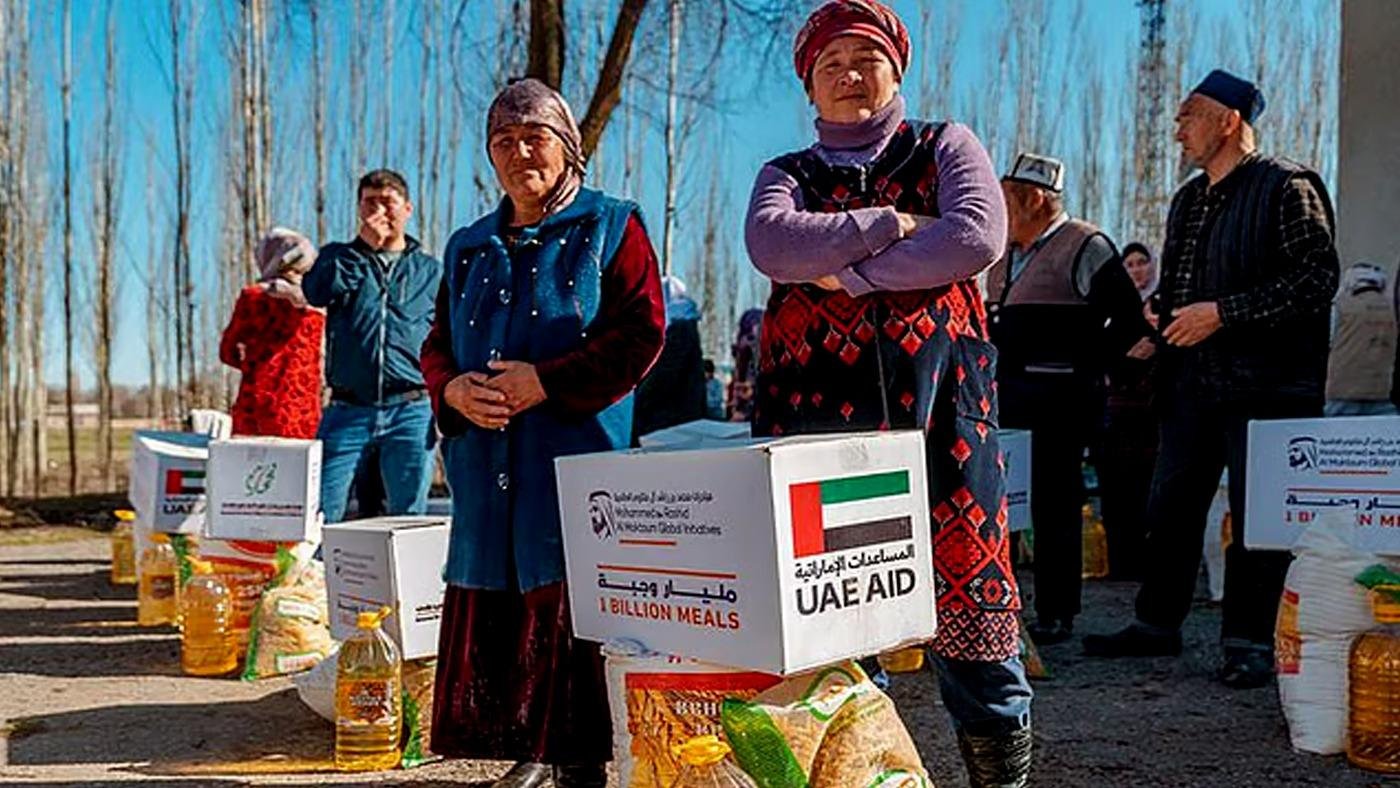
ToggleThe United Arab Emirates (UAE) is leading from the front in terms of global aid. Over the last three years, the UAE just distributed 1 billion meals to people in 65 countries and solidified its place as one of the world’s most generous donors.
The celebration of this achievement is a testament not only to the UAE’s dedication to combating hunger and food security but also a nod to the country’s values of empathy, shared responsibility, and global citizenship. From disaster-stricken areas to war-torn and destitute nations, the UAE has reached out a helping hand to millions of people, delivering sustenance, optimism, and dignity.
But exactly how did the UAE succeed in pulling this off? And what can the rest of the world learn from its approach? Let’s explore.
The Hidden History of the 1 Billion Meals Campaign
The UAE’s enormous humanitarian drive comes as part of a series of food aid campaigns, such as “100 Million Meals” (2021), “One Billion Meals” (2022), and subsequent drives that have grown in scale over the years. The initiatives have been implemented in line with the spirit of the directives of the UAE leadership and in response to global appeals to combat hunger during the month of giving.
- A shift in who gets meals:
- Refugees and displaced families in areas affected by the crisis.
- At-risk communities are confronted by crushing poverty.
- Populations hit by disaster are in dire need of food assistance.
With the state, private sector, and individuals joining hands, the country has harnessed capacities on such an unparalleled level that all activities, the quarantine, and testing have become so seamless and efficient.
A Broad Humanitarian Reach: 65 Countries Helped
Making its way to 65 nations in Africa, Asia, Europe, and the Middle East, the food relief covered the entire spectrum of the activity. The following are some of the major receiving areas:
- Africa: Sudan, Somalia, Nigeria, Ethiopia, and Uganda.
- Middle East & North Africa: Palestine, Syria, Yemen, Egypt, and Lebanon.
- Asia: Pakistan, Bangladesh, Afghanistan, and the Philippines.
- Other Areas: Assistance was also provided to vulnerable communities in Europe and Latin America.
This shows that the UAE’s humanitarian assistance has no borders, religion, or political inclination. It is based on a universal message to combat hunger wherever it is located.
How the UAE Pulled It Off
Public-Private Partnerships
The campaign mobilized the support of local businesses, charities, and international organizations to multiply the impact.
Volunteerism and Community Spirit
The tens of thousands who volunteered to package and deliver meals demonstrated the UAE’s robust service-oriented culture.
Efficient Logistics and Technology
The UAE made use of its key logistical systems to make sure that the right amount of food aid reached the last individual in need.
Global Partnerships
Partnerships with global agencies such as the UN World Food Programme (WFP) and local philanthropies allowed the UAE to have a broad reach.
Digital Donation Platforms
Novel digital fundraising efforts also contributed to the inclusivity and participation of people in various parts of the world.
The Significance of the Campaign
Tackling Global Hunger
Over 735 million people are affected by malnutrition around the world (UN Food and Agriculture Organization (FAO)). Through the contribution of the UAE, one billion meals can help support the global goal of the United Nations to reach UN Sustainable Development Goal 2: Zero hunger.
Enhancing the UAE’s International Humanitarian Role
The campaign has also cemented the UAE’s position as a top humanitarian donor in the league of nations, providing the most aid relative to their income.
Promoting Solidarity and Unity
The campaign communicates the UAE values of generosity during Ramadan but resonates beyond that—uniting various communities across the world.
Implications for Other Countries and Organizations
- The UAE experience contains critical lessons for others seeking to combat hunger and poverty:
- Scaling Together—Collaboration with corporates, NGOs, and communities increases scale.
- Leverage Logistics—Infrastructure Investment Gets Help to the Needy Fast.
- Promote Civic Engagement—Engaged citizens are those who have taken ownership of their communities.
- Technology for Good – Digital Donations Make it easier for donations to reach intended recipients.
- Articulating to Global Goals—linking national efforts to SDGs (UN) to amplify relevance and significance.
“Here Are 5 Practical Ways to Help and Get Involved” Worthy.org 5 Immediate Actions Individuals and Companies Can Take for Similar Causes
For Individuals:
- Join a food drive or contribute to charity campaigns.
- Give through trusted mechanisms so relief gets to those in need.
- Cut food waste at home—every meal saved makes a difference.
For Businesses:
- Inaugurate CSR (Corporate Social Responsibility) initiatives in line with food security.
- Work with NGOs for mass feeding projects.
- Employee volunteerism inspires it through programs.
With their level of participation varying from a few contributions to a large donation, people and companies can join the worldwide campaign to eradicate hunger.
The Road Ahead: Beyond Our 1st Billion Meals
- The UAE’s leadership has been explicit that this is not an end, but a pivot to bigger things. Plans include:
- Scaling up long-term food security programs, such as sustainable farming and agricultural innovation.
- Assisting countries via capacity-building programs so they can move away from aid.
- Continuing to integrate humanitarian action with climate-resilience plans, with an understanding that climate change is a fundamental driver of global hunger.
Conclusion
So the UAE reaching a billion distributed meals to 65 countries in just 3 years is a good news story of generosity, innovation, and shared effort. It is evidence that with leadership, partnership, and empathy, we can truly improve the lives of millions.
For the Emirates, this is not just about food aid—it’s about helping to build a future in which no one sleeps hungry. To the world, it is a much-needed stimulus reminding us that humanitarianism is a shared responsibility and a duty.
FAQs
Frequently Asked Questions (FAQ's)
It is a large-scale humanitarian campaign aimed at distributing food aid to vulnerable communities across the world.
A total of 65 countries across Africa, Asia, the Middle East, and beyond received aid.
The campaign was initiated by the UAE leadership and supported by government agencies, private businesses, charities, and individual donors.
Individuals can donate through official UAE charity platforms, participate in food drives, or volunteer in local humanitarian initiatives.
Future efforts will focus on sustainable food security, climate resilience, and expanding long-term agricultural solutions in vulnerable regions

1 Comment
tmgwox