
Table of Contents
ToggleThe Al Fahidi Historical Neighborhood is Dubai’s cultural treasure, standing in stark contrast to modern Dubai’s lavish shopping and towering skyscrapers. Al Fahidi is a Dubai Heritage Site with beautiful buildings and authentic historical neighborhoods. Al Fahidi is a part of Dubai Creek, and is an access point to and from where the surrounding city was built and where the city has evolved throughout the years. This is a place where stars tell stories. From every angle, Al Fahidi tells the story of ancient winds, and every street and every building whispers with shuttered cafes tells stories of the ancient world.
Al Fahidi: A Lesson in History
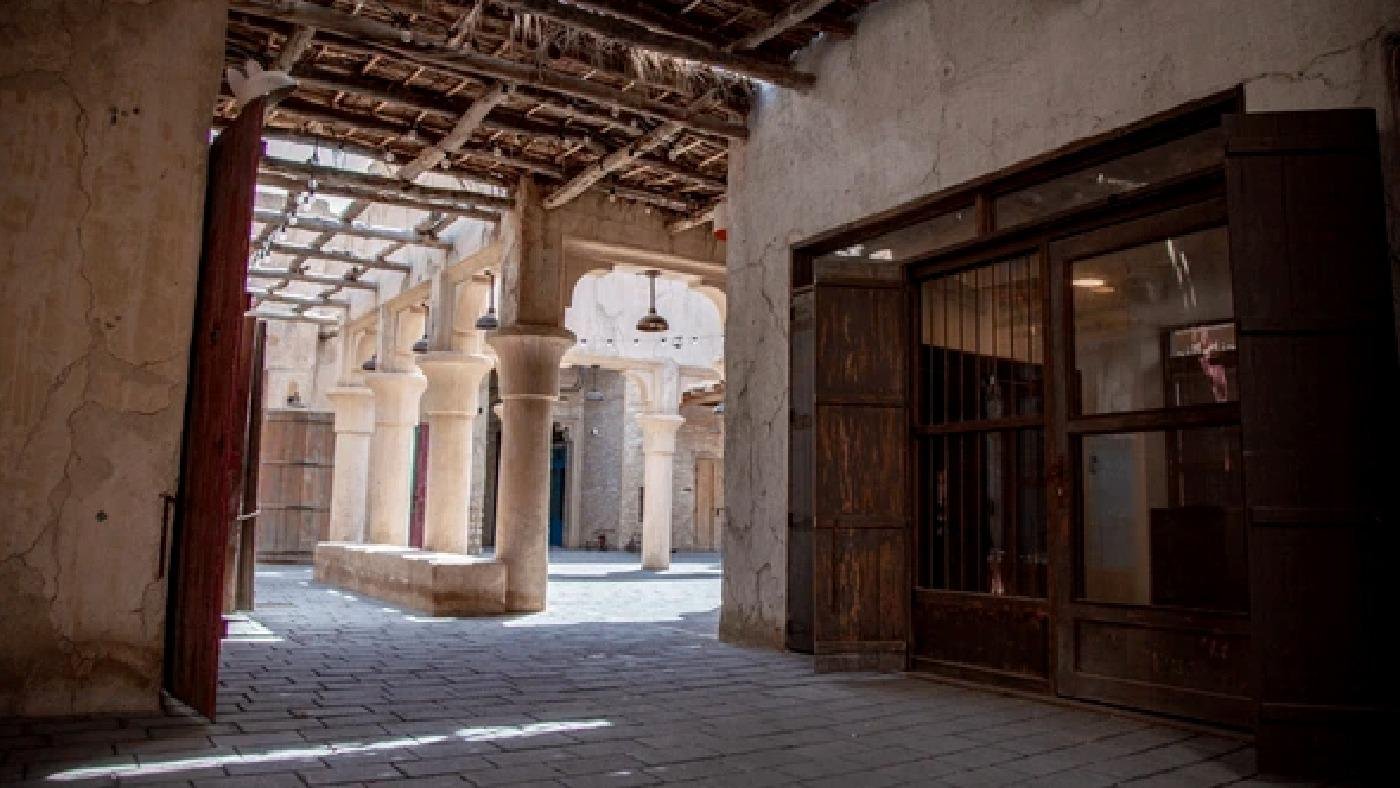
Al Fahidi, historically also known as Al Bastakiya, captures the quiet, powerful Dubai and is a neighborhood of historical significance. Its roots are tied to the 1800’s and the era of the Dubai Creek Al Bastakiya was built as a settlement of Persian traders, with pivotal trading links to Dubai’s Creek and the Persian Gulf. Al Fahidi is an exemplar of golden age vernacular architecture with astonishing details within the structures. Al Fahidi’s golden architecture is a gold settlement to the coral stone, gypsum, and palm wood to enclose the structures and curtains with the Barjeel, the wind tower.
Al Fahidi has become more than a district, it tells a story about how Dubai has developed over the years, with both modern and traditional elements incorporated. Al Fahidi provides cultural relief from the high-rises and provides a refreshing change from the hustle and bustle of the city.
Al Fahidi Must-See Attractions
Dubai Museum at Al Fahidi Fort
Your trip has to start at Al Fahidi Fort, it is one of the oldest buildings in the city. The fort was built in 1787 and it the Dubai Museum. The museum provides a detailed account of the life in the Emirate region before the discovery of oil. You can expect to see a wide range of exhibits, from authentic ancient artifacts and reconstructed traditional homes to exhibits showing practices like pearl diving. You will definitely learn a lot about the city and its history.
Coffee Museum
In the UAE, Coffee is more than just a beverage, it is a tradition. The Coffee Museum is dedicated to this culture and is filled with old brewing tools, artifacts and, history of coffee, and displays in multiple languages. You can spend an hour there enjoying Arabic coffee and reading about the history of coffee.
XVA Art Gallery & Café
At the XVA Gallery, lovers of the arts will enjoy a display of contemporary works from the Arab world and beyond. Exhibitions change often so visitors always get a chance to enjoy new emerging works. Guests can also enjoy the Café onsite and take in the creative ambiance while sipping on a refreshing mint lemonade.
Sheikh Mohammed Centre for Cultural Understanding (SMCCU)
It’s hard to find an experience quite like the SMCCU, where guests sit on traditional Bedouin cushions as local hosts share stories of their life and customs, and treat guests to an Emirati meal. SMCCU’s motto, “Open Doors, Open Minds,” truly encompasses the depth of cultural engagement this center provides.
Textile Market & Souks
When in the district, take a stroll through the charming sprawl of the textile market. Vibrant fabrics, Arabian clothing, and traditional trinkets wait to be discovered. The buzz of warm bargaining and the spice market’s yummy aromas make the experience all the more delightful.
Abra Ride on Dubai Creek
If you’re looking for a quintessential Dubai experience, look no further than riding an abra. These traditional wooden boats are a classic Dubai charm and show a great view of city life.
Eating and Drinking Options
Getting to know a district’s history involves all senses, Al Fahidi District in this instance involves all senses through food, tea and coffee
- Arabian Tea House. A place to relax, have a tea and try some Emirati food.
- Cafe in XVA Gallery. A cafe that serves vegetarian meals and pastries with a cultural twist.
- District coffee shops. A short break with some Arabic coffee, dates, and a treat to have in one of the local coffee shops.
Time of the Year to Visit
Al Fahidi is an outdoor locality that should be visited in the cooler months of the year, that is, November to March. When it is festival time, FIKKA Art Fair or some other festival, it is great to have an outdoor walk with some music to liven the walk and look at some of the art and cultural displays.
Tips for Visitors Going there for the First time
- Wear comfortable shoes, perhaps sneakers. Ankle shoes work better for the cobblestone alleys.
- Bring a filled water bottle with ice and a sunscreen with enough spray; the tour is partly outdoors, and some of the tour is in the shade.
- Bring at least one charged camera or a smartphone with a good camera to capture some beautiful architecture and the excellent digital and physical design for your social media.
Show consideration for the local customs by dressing appropriately and observing the times of prayer at the mosques.
Plan in advance—To avoid last-minute stress, make your reservations for guided tours and cultural dining experiences prior to your arrival.
Why Al Fahidi is Dubai’s Cultural Heartbeat
Al Fahidi is one of the few places that truly embraces and protects the spirit of culture and tradition in a city of absolute modernity. It is a place where the culture is alive, and the stories of the heritage are told every day. It is a must-visit for history lovers, art enthusiasts, food adventurers, and the inquisitive – this neighborhood is alive with stories and experiences that will engage and inspire you every step of the way.
Final Thoughts
The Al Fahidi Historical Neighborhood is a must‑visit for anyone looking to experience the authentic soul of Dubai. It’s a place where history meets art, culture unfolds in every square, and memories are crafted with every footstep. Whether it’s your first trip or a return visit, Al Fahidi always reveals something new — a testament to Dubai’s enduring heritage.
FAQs
Frequently Asked Questions (FAQ's)
It’s famous for its traditional Emirati architecture, wind towers, cultural museums, and art galleries that showcase Dubai’s history before its modern transformation.
Most visitors spend 2–4 hours to explore the key attractions and cafés comfortably.
Walking around the neighborhood is free. Museums and cultural centers may have nominal entry fees.
Yes! It’s considered family‑friendly with interactive exhibits, walking tours, and outdoor cafe breaks.
You can take a taxi, local bus, or metro to Bur Dubai and walk or take an abra from the creek.
